How to Clean PVC and Wood Fences Without Causing Damage
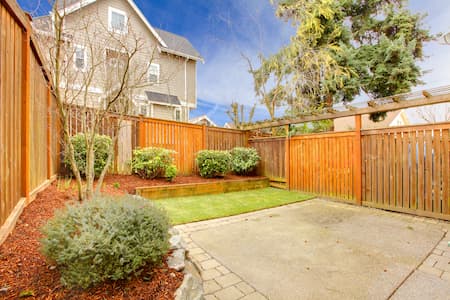
If your fence looks streaked, green, or chalky, you’re not alone. Humid summers and leaf debris in Hamilton make fence cleaning a regular need, especially for PVC and wood that show algae and dirt fast.
Homeowners often try to blast away the grime, but the wrong method can leave permanent marks. Partnering with a trained pressure washing team ensures your fence is restored safely and stays looking great longer.
Why PVC and Wood React Differently In Hamilton’s Climate
PVC, often called vinyl, resists rot but can oxidize at the surface. That oxidation turns into a fine, chalky layer that grabs dirt and forms vertical “tiger” stripes where water runs.
Wood is porous. When it gets damp after summer storms, it can harbor mold and algae deep in the grain. Using too much pressure can open the grain and cause fuzzing, splintering, and uneven color.
Local weather adds to the challenge. Spring pollen, leafy shade in Mercerville and Groveville, and road spray after winter storms all feed the growth that builds up on fence lines.
What Causes Oxidation Stripes And How Pros Avoid Them
Oxidation stripes on vinyl show up where rain tracks down the panels over time. If someone cleans only the dirty streaks at high pressure, the shiny lines can become even more obvious next to still-oxidized areas.
Professionals treat the entire panel evenly, manage dwell time, and rinse with controlled, low pressure so the finish looks consistent from top to bottom. They also follow drainage patterns, so rinse water doesn’t run back and streak what was just cleaned.
High pressure on vinyl can set permanent zebra-like lines by unevenly stripping oxidation, and once etched, that sheen mismatch can’t be polished back.
Mold and Algae Removal Without Harm
Green algae, black mildew, and air-borne spores settle fast near trees and damp yards. The goal is to break down the organic film and rinse it away without roughing up the surface below.
Trained technicians use solutions designed for exterior bio-growth, then rinse at safe pressures to protect the fence, fasteners, and nearby plants. They control runoff, so cleaner water does not sit in lawn edges or garden beds.
- Too much pressure can etch vinyl and raise the grain on wood.
- Wrong nozzles can carve fan lines that show up in sunlight.
- Incomplete neutralization can leave a film that attracts new dirt.
- Skipping a full-panel approach can create bright patches and dull bands.
When growth returns faster on shady sides of a yard, a maintenance plan helps. If you’re comparing options, look for a provider that explains their soft-wash process and how they protect landscaping. It’s also smart to ask about warranties on organic staining.
For a careful, even result on both PVC and wood, schedule professional fence cleaning rather than risking surface damage with trial-and-error methods.
The Gentle Approach For PVC and Vinyl Fences
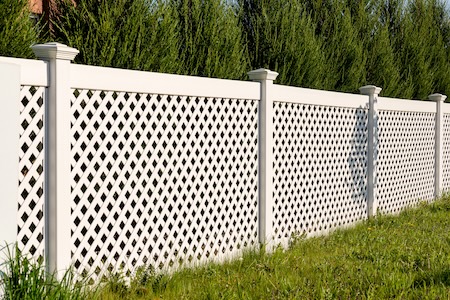
Vinyl responds best to a balanced process that lifts oxidation and organic buildup together. Cleaning only for algae can leave the chalky film behind, which makes the fence dull and ready to stripe again.
Pros work methodically across each section, maintaining even coverage and rinse patterns. That keeps water from trailing back over finished areas and avoids drip marks that show once panels dry.
Never assume “more pressure” equals “more clean” on PVC; the clean you want comes from chemistry, coverage, and a light rinse, not force.
Wood Fences: Preserve The Grain And Color
Wood needs a different touch. The aim is to loosen growth and graying without chewing up the fibers. A safe, low-pressure rinse protects the character of cedar and pine so the grain stays tight and smooth.
Because wood absorbs moisture, pros watch for uneven dark spots that can signal deeper staining. They also protect metal fasteners and hardware, then rinse to reduce the chance of residue that might interfere with future sealing or staining.
When your fence dries evenly, you avoid blotchy boards and raised fuzz that catches sunlight. That’s the look homeowners want when entertaining outdoors in Hamilton’s short, bright summer season.
Seasonal Timing Considerations
Timing matters. Early-to-mid spring sets you up for summer gatherings, and early fall helps remove pollen, sap, and algae before winter sets in. Shade-heavy lots near tree belts or creek edges often need more frequent attention.
- Shady panels stay damp longer after rainfall, so they show green first.
- Sprinklers that hit the fence daily can leave mineral spots and green trails.
- Road splash near busy streets may add grime to the low on boards and posts.
- Leaves packed against the bottoms of panels trap moisture and stain faster.
In neighborhoods like White Horse and Groveville, fences along shared property lines can catch runoff from both yards. Pros factor in slope, drainage, and landscaping to select methods that keep rinse water moving away from finished sections.
What To Expect From A Professional Visit
A thorough provider starts with a walk-through to understand materials, shade, irrigation, and problem areas. They’ll set expectations for PVC versus wood, and explain how they avoid oxidation stripes on vinyl while protecting the grain on boards.
The cleaning itself is controlled. You’ll see even application, measured dwell, and a balanced, low-pressure rinse. Plants are pre-wet and protected, hardscapes are washed down, and gates or latches get extra care.
Before they wrap, the crew checks for drip trails, rinse shadows, or missed edges. A final pass on caps and posts leaves the fence uniform, so it dries without patchy lines or dull spots.
Local Aftercare That Extends Results
After service, keep sprinklers from hitting the fence daily and trim shrubs so air moves freely. If leaves or mulch rest against the bottom rail, pull them back to reduce staining.
Ask your provider about a maintenance interval that fits your yard’s shade and irrigation. Light, regular service prevents deep staining and keeps your fence photo-ready for backyard get-togethers.
Testing an inconspicuous section and using a soft-wash approach are the two biggest keys to avoiding permanent marks on PVC and wood.
Why Homeowners in Hamilton Choose BearClaw Power Washing
Experience matters when you’re balancing chemistry, coverage, and rinse technique. Local teams know how our climate affects fence materials and how to adjust for shady lots, sprinkler patterns, and tree lines.
If you’d like an expert second look at tricky stains, or a plan that keeps algae away longer, the team at BearClaw Power Washing is ready to help. Call 609-947-7688 to schedule.
Ready for a fence that looks fresh without the risk of streaks, fuzzing, or etching? Call BearClaw Power Washing at 609-947-7688 and get expert help from a local team that treats PVC and wood the right way.
Get Started With Your Power WashingProject Today In Hamilton!