Driveway Cleaning vs. Pressure Washing: What’s Safe for Concrete in NJ?
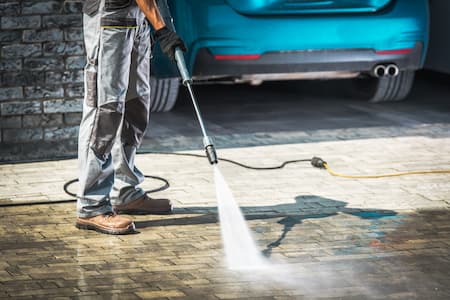
If your driveway in Hamilton, NJ looks tired from oil drips, rust stains, and dark tire arcs, you might be asking whether “pressure washing” is the right answer or if you need professional driveway cleaning. The short version is that driveway cleaning is a complete, surface-safe process, while pressure washing is just one tool inside that process. For results that look even and last, many homeowners start with professional driveway cleaning so the right method is matched to the actual concrete in front of their home.
Why “Driveway Cleaning” Is Not the Same as “Pressure Washing”
Driveway cleaning means selecting the right balance of water flow, safe detergents, temperature, and controlled pressure to lift and carry away stains without harming the concrete. Pressure washing describes using force to cut through grime. Those two ideas overlap, but they are not identical.
Most concrete in Hamilton neighborhoods like Mercerville, Yardville, Groveville, and White Horse is strong enough to handle measured pressure with a surface cleaner. Where homeowners run into trouble is using a narrow tip and high PSI in small passes, which can leave swirls or pale stripes that stand out when the slab dries. A driveway cleaning approach centers on uniform coverage, consistent rinse volume, and chemistry that targets the mess you actually have.
Concrete in New Jersey: How Weather and Use Affect Safety
Central New Jersey’s four-season cycle puts your driveway through a lot. Winter salt and brine ride in on your tires. Spring pollen sticks to damp concrete along shady panel edges. Summer heat softens tire compounds and leaves gray arcs near the turn-in at the apron. Fall leaves can spot the slab and trap moisture.
That mix matters because concrete is porous. Water and contaminants can sit below the surface, so blasting from above is not always the safest way to clean. A driveway cleaning plan in Hamilton watches for shaded, slow-drying areas near tree lines, focuses on deep-rinsing joints where slimy film collects, and adapts the process for exposed aggregate or sections that show early surface wear.
What Removes Oil Spots, Rust Stains, and Tire Marks
Different problems call for different tools. The right choice protects the concrete and improves the final color match across the whole panel.
- Rust responds to specialty treatments, not pressure. Rust often comes from fertilizer overspray, metal furniture, or irrigation. It needs targeted chemistry and a patient rinse to avoid haloing or streaks.
- Oil spots from engine drips benefit from heat plus degreasing to lift residue. Cold water alone may brighten the area but leave a dark ring that returns fast.
- Tire marks and plasticizer transfer show up as gray arcs where you turn in. Gentle heat with balanced flow helps break their grip without scarring the paste.
- Organic stains like algae grow faster on the north side of each panel and in joints. Even coverage and a uniform rinse keep those dark lanes from reappearing in stripes.
If you want to dive deeper into how concrete behaves in our area, this article on concrete cleaning in Hamilton, NJ explains why driveways, walks, and patios are treated differently even though they’re all “concrete.”
Pitting, Etching, and “Tiger Stripes”: Risks to Avoid
Homeowners worry most about pitting and etching. Pitting is small pop-outs or voids on the surface. Etching is loss of paste that leaves the sand visible or rough to the touch. Both problems can happen when high PSI meets weak or aging concrete, or when someone scrubs one spot too long with a narrow fan.
High PSI alone can cause pitting and etching. The safer route uses a surface cleaner for even passes, controls pressure at the tool, and leans on the right detergent or hot water when needed. That’s how you avoid “tiger stripes,” the pale bands left behind by uneven cleaning.
Sealing After Cleaning: Timing and Expectations in NJ
Sealing is a smart follow-up once your driveway is clean and fully dry. Sealers help resist salt, oil, and weathering, support color consistency, and make routine rinsing easier. The exact timing and type of sealer vary by surface and season. A pro will consider shade, humidity, recent rain, and whether any spot treatments were used before recommending next steps.
It is important to remember that sealing locks in appearance but cannot fix damaged concrete. If a slab is already pitted or scaling from past winters or poor drainage, sealing can help slow future wear and keep stains on the surface, but it will not replace missing paste or repair pop-outs.
Local tip for Hamilton, NJ: Road salt and liquid brine ride in on your tires all winter and settle into the top of the slab. Booking driveway cleaning in early spring clears that residue before warm weather expands pores and makes small defects more visible. A fall refresh also helps your concrete face winter in better shape.
When to Choose Hot Water, Surface Cleaners, or Soft Wash Support
Good driveway cleaning looks simple because the right tools are chosen ahead of time. Here’s how a pro decides:
- Hot water is chosen for sticky spills, oil, and tire marks. It shortens dwell time and reduces the need for force.
- Surface cleaners are used on open flatwork to keep the finish even from curb to garage.
- Soft-wash support is used around edges, garage trim, or where decorative finishes need a lighter touch. If your siding also needs attention, pairing a driveway visit with house soft washing keeps the entire front elevation looking consistent.
Hamilton Weather, Shade, and Water Flow: Why Technique Matters
Hamilton’s mixed canopy and four-season swings challenge concrete. Shade from mature maples near Veterans Park and tree belts in Hamilton Square means panels can stay damp longer. That drives faster algae growth along seams, steps, and the lawn edge.
Because concrete is a sponge, it is not enough to “cut the dirt.” The rinse has to carry broken-up grime out of pores and off the panel. Even coverage and steady flow reduce the chance of marks reappearing where rinse water trailed or pooled. A trained tech also watches for splash from mulch and soil edging that can streak a newly cleaned panel if it is not managed during the job.
Oil Spots, Rust Stains, and Pitting Risk in Plain Language
Here is how pros in Central New Jersey look at the most common driveway worries:
Avoid blasting new or weak concrete. Fresh pours and surfaces already showing scaling are more vulnerable. A measured approach protects the top layer and helps the slab wear evenly from season to season.
Oil spots look better and last longer when heat and chemistry work together. Cold water pressure may brighten the spot for a day, but shadows return quickly if residue remains in the pores. Rust needs precise treatment tailored to the stain’s source. Tire arcs like to live near the apron; steady passes and consistent rinse volume help those areas match the rest of the slab.
Sealing After Cleaning: What Hamilton Homeowners Can Expect
Once your concrete is clean and dry, a sealer can help repel drips, slow salt penetration, and support an even tone. The right schedule varies by use and exposure. High-traffic driveways near busy streets or with constant shade may benefit from more frequent care. If you entertain on the driveway or use it as a play area, a clean-and-seal plan keeps dust down and improves everyday cleanup.
Want more detail on how timing and technique fit together here in town? This quick read on Hamilton concrete cleaning explains local patterns we see from February salt to July humidity.
How BearClaw Power Washing Approaches Driveway Cleaning in Hamilton, NJ
Our process is simple, careful, and built around your property. We assess shade, drainage, and traffic patterns, then choose the safest way to get a uniform finish. Even passes with a surface cleaner keep the look consistent. Targeted treatments address oil and rust without harsh scrubbing. We protect nearby landscaping and rinse joints so slimy film does not return in lines.
Most important, you get a plan suited to your concrete, not just a quick blast. If the front walk or porch slab also needs attention, we schedule the work so each surface dries evenly and the color matches edge to edge. You can read more about our approach and what to expect on the dedicated page for driveway cleaning.
Signs It’s Time to Call a Pro in Hamilton, NJ
Not sure whether to put this on your list now or later? Here are simple clues:
- Dark lanes along the lawn edge or slick patches after rain
- Gray arcs where tires turn in near the apron
- Round engine drips that keep reappearing after rinsing
- Orange spots from fertilizer or metal furniture feet
- Uneven panels after a past cleaning that show “swirls” or bands
If you recognize a few of these, a uniform, surface-safe clean will make a big difference. You can also start from our homepage to learn more about driveway cleaning in Hamilton, NJ and see how BearClaw Power Washing tailors the method to your home.
Ready for a Safer, Brighter Driveway in Hamilton?
Clean concrete boosts curb appeal and helps prevent slips along busy walkways. If oil spots, rust stains, or pitting risk are on your mind, a balanced cleaning plan is the safest path. Schedule with BearClaw Power Washing and we will match the right tools to your surface, protect nearby plants, and finish with an even, swirl-free look. To get started, call 609-947-7688 or book your local visit through our page on driveway cleaning for Hamilton, NJ homes.
Get Started With Your Power WashingProject Today In Hamilton!