Deck Cleaning Checklist: How to Prep, Protect Plants, and Extend Stain Life in New Jersey
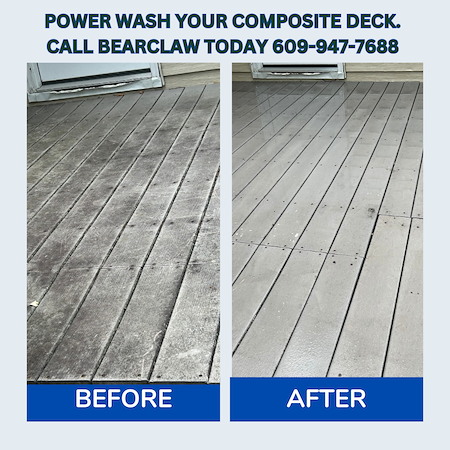
New Jersey weather is tough on decks. Sun, salt air near the Shore, spring pollen, and freeze-thaw cycles all speed up wear on both wood and composite boards. If you want a safer surface and stain that lasts, the smartest move is to schedule professional deck cleaning with a crew that understands local conditions and treats your landscape with care.
Why Deck Cleaning in New Jersey Matters for Wood and Composite Decks
Moisture, shade, and drifting pollen create the ideal film for algae and mildew. In summer, UV breaks down wood fibers and fades many stains. Near the coast, salt spray can leave residue that traps moisture. Inland, oak leaves and acorns leave tannin marks that look like rust. Cleaning the right way removes buildup without chewing up the surface, which helps your stain last longer and keeps foot traffic safer after rain.
Homeowners across New Jersey also juggle busy seasons. Spring yard work, summer gatherings, and fall leaf drop all put pressure on the deck. A well-timed cleaning sets you up to enjoy the deck for the busy months and helps your finish hold up through winter.
Wood vs. Composite: What Pros Consider Before Cleaning
Not every deck should be treated the same. Wood boards absorb water and can show raised grain if blasted too hard. Composite and PVC boards often have a polymer cap that resists stains but can scuff or streak if you use the wrong chemistry or pressure. A trained technician looks at board type, age, shade patterns, and past coatings before picking a method.
- Wood decks: Professionals focus on gentle pressure, proper distance, and cleaners that lift grime without shredding fibers. Good rinsing helps keep the grain even.
- Composite/PVC decks: The goal is even results without swirl marks. Crews rely on low pressure, surfactants that break down oily residue, and controlled dwell times.
High pressure can scar wood and void warranties on some composite caps. Technique and chemistry do the heavy lifting, not brute force.
Professional Prep Steps That Protect Your Landscape
Your deck sits right next to the parts of your yard you love. Shrubs, perennials, and lawn edges need protection from splash and runoff. A good crew plans water flow, shields delicate plants, and keeps cleaner off the beds as much as possible. Landscape protection is part of the service, not an afterthought.
How Pros Pre-Wet and Shield Plants
Before the first drop of cleaner touches the deck, technicians survey downspouts, mulch lines, and garden edges. They pre-wet nearby plants so any incidental splash is diluted, and they use breathable covers where needed for short periods. After the wash, they rinse foliage and soil again to keep everything healthy.
Runoff is managed carefully. The team directs water away from flower beds and keeps the work zone tidy. That way, your yard looks refreshed, not trampled.
Cleaner Selection and Low-Pressure Technique
Different soils need different solutions. Pollen film, algae, leaf tannins, and barbecue grease do not respond the same way. Professionals match the chemistry to the problem and control dwell time so the deck lifts clean without blotches. Cleaners should not dry on hot boards because that can leave uneven marks. Skilled rinsing then carries residues away without driving water deep into seams.
For multi-level decks or tight townhome spaces, nozzle choice and fan angle matter. The team works with the grain on wood and keeps consistent spacing across composite caps to avoid tiger striping.
Post-Clean Drying Time and When to Stain
Clean is only half the story. Your deck needs to be dry enough before you apply a fresh stain or sealer. In our climate, sun exposure, shade, and airflow all affect timing. Boards that appear dry at the surface may still hold moisture below.
Plan for 24 to 48 hours of drying in New Jersey humidity, adjusting for shade and recent rain. Shaded north sides and decks bordered by tall evergreens can take longer. The pros monitor conditions and schedule staining when the moisture level is appropriate so your coating bonds and cures well.
Weather Windows in New Jersey
Spring often brings quick showers and heavy pollen that can land on freshly cleaned boards. Summer heat speeds up evaporation but can push surface temps too high for some coatings mid-day. Fall gives comfortable working temps, but wet leaves can stain and get underfoot. Your cleaning plan should match the season and the microclimate around your home.
If you are mapping out a project calendar, review our broader residential power washing services to see how house washing and walkways can be coordinated with the deck so the whole exterior looks consistent.
How Deck Cleaning Helps Stain Last Longer
A smooth, properly cleaned surface lets stain soak or bond evenly. That prevents patchy sheen and early peeling. Removing algae and residue also keeps moisture from sitting on the boards, so freeze-thaw cycles do less damage over winter.
- Even prep supports even color and gloss, so the finish wears gradually, not in flakes.
- Cleaner gaps and seams help water drain, which protects fasteners and joists over time.
- A light maintenance wash at the right interval can refresh the look and push out the need for heavier restoration.
For a deeper look at exterior care topics, browse our local-focused power washing articles. You will find practical explanations, seasonal advice, and project planning ideas written for New Jersey homes.
If you want a quick overview of our experts and service area, you can also explore deck cleaning in New Jersey and see how BearClaw Power Washing supports homeowners year-round.
What To Expect From Our Pressure Washing Process
On cleaning day, the crew arrives with a plan for water access, runoff direction, and safety. Furniture is moved or grouped as needed. Railings, stairs, and high-traffic paths get special attention because these areas collect hand oils and dirt that resist basic rinsing. Composite board caps are cleaned with gentle pressure and thorough rinsing for a streak-free look.
After the wash, technicians do a final water sweep and check edges, stair risers, and the undersides of overhangs. Those small spots can hold suds that dry into marks if ignored. The work area is left tidy so airflow can help drying. When staining is included, the team monitors the forecast and moisture before they apply coatings.
Signs Your Deck Needs a Professional Cleaning
New Jersey decks show their age in a few common ways. You might see a green film on the shaded side, dark blotches under planters, or gray boards that look fuzzy when wet. Composite can show black specks in grooves or greasy halos near grills.
- Boarding feels slick after light rain or morning dew.
- Brown leaf prints or rust-like rings do not rinse away.
- Stain looks dull in traffic lanes but shiny near rail posts.
- Composite boards show streaks that return soon after a basic hose rinse.
When you notice two or more of these signs, a professional service is the most efficient way to reset the deck and protect the finish. You can learn more about our approach on the deck cleaning service page and see how we time jobs around weather and shade patterns.
Composite vs. Wood: Setting Realistic Results
Every deck has a history. Older pressure-treated pine may have checking and soft grain that will always show a little variation even after a careful wash. Cedar can brighten beautifully but may need gentle handling around knots. Capped composite often cleans to a uniform tone, but stubborn oil spots from grills might need extra passes or targeted chemistry.
Clear expectations produce happy results. A seasoned crew explains what will improve, what is permanent character, and how to maintain the look after service. That includes sweep schedules to limit grit and a sensible cleaning cadence tied to your shade and tree cover.
Safety and Access Considerations
Good access and safe work areas help the job go smoothly. Crews plan hose routes, secure gates, and protect nearby surfaces such as painted rails and glass doors. Pets and children are kept clear of the workspace for everyone’s safety. If your deck sits over a slope or near a pool, the team adapts their approach so water goes where it should.
In tight townhouse communities, technicians pay close attention to shared fences, neighboring beds, and HOA guidelines about work hours. The goal is a low-stress service that leaves your deck and your relationships with neighbors in great shape.
Maintenance Rhythm That Fits New Jersey Seasons
Many homes do well with a spring clean to remove pollen and algae before graduation parties and cookouts. Some shaded properties prefer a late-summer or early-fall clean when leaves have not started to drop yet. Coastal homes may need more frequent care due to salt film. The right rhythm keeps the surface safer and helps coatings last.
As your partner, BearClaw Power Washing keeps notes on sun exposure, landscaping, and traffic patterns around your deck. Those details help us recommend a schedule that makes sense for your home instead of a one-size-fits-all plan.
Ready For A Cleaner, Longer-Lasting Deck?
If you want a confident, even result and plants that look just as happy after the service as before, schedule with BearClaw Power Washing. Our team pairs the right chemistry with low-pressure technique, protects your landscaping, and times the project to the New Jersey forecast. To get started, call 609-947-7688 or book through our deck cleaning page. We are ready to make your next barbecue feel brand new.
Get Started With Your Power WashingProject Today In Hamilton!